
Stuon alternatives for students
This page collects the strongest Stuon alternatives in one place and explains how each one feels in practice. Instead of a flat list, each comparison is written for students who care about focus quality, study rhythm, and whether a product actually supports long revision cycles.
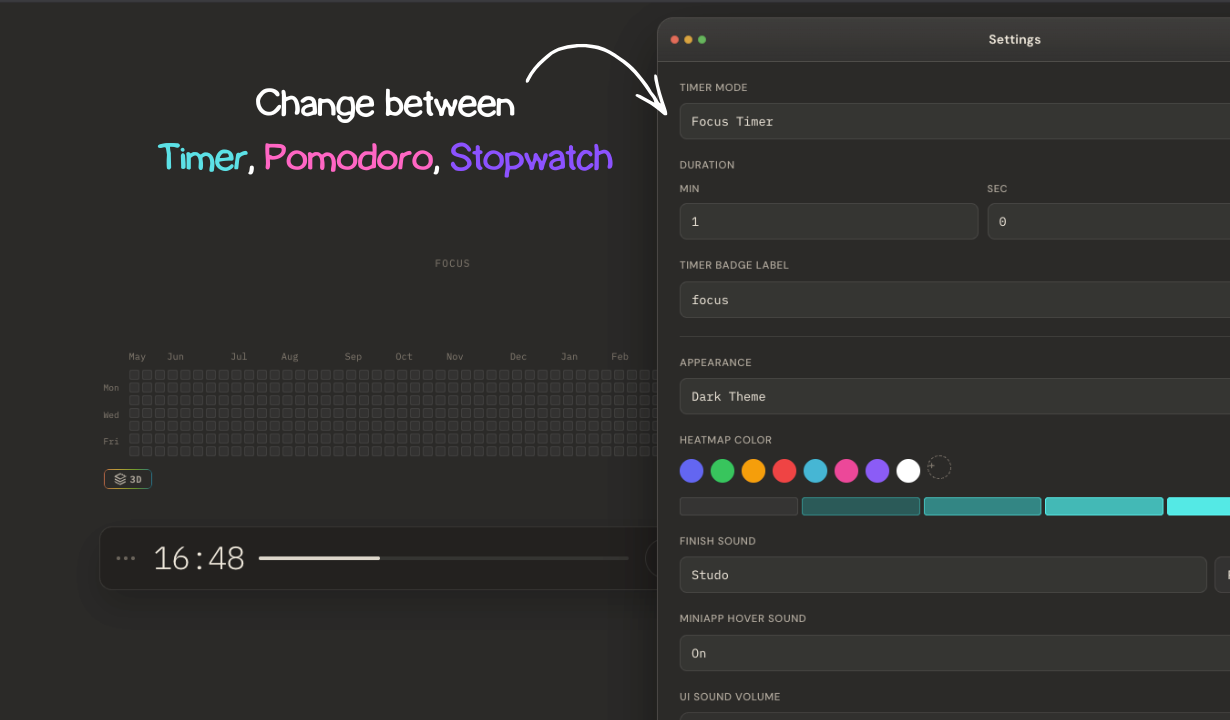
They need to understand how an app actually feels when used for real studying, not just how it markets itself.
Every page compares focus style, planning depth, analytics, and how well the product fits student life.
Stuon aims to stay simple while still supporting stronger study structure than a basic timer alone.
Popular comparisons
Forest rewards focus with a game loop. Stuon rewards focus with clarity, structure, and study context.
Open comparisonPomofocus is a streamlined web pomodoro. Stuon feels like a broader student study environment.
Open comparisonToggl measures time extremely well. Stuon turns time into a more student-shaped experience.
Open comparisonSession is polished and elegant. Stuon aims for that same calm while connecting focus to broader study behavior.
Open comparisonFocus To-Do blends tasks and pomodoro. Stuon keeps the environment more focused on study quality and calmer execution.
Open comparisonClockify is excellent for logging hours. Stuon is better for building an actual study rhythm around those hours.
Open comparisonTickTick is broader productivity software. Stuon is more intentionally narrow and more focused on the quality of study time.
Open comparisonRize analyzes your work automatically. Stuon makes the session itself feel more intentional and more aligned with studying.
Open comparisonWhat to look for in a study app alternative
The best focus tool is not the loudest one. It is the one that makes the next session easy to start again tomorrow.
Students usually win by building study rhythm, not by chasing increasingly complex productivity systems.
A timer can help you begin, but the best tools also support reflection, review, and long-term academic habits.
If every study block is isolated, it becomes harder to improve the system around your work.
Too much interface noise can quietly drain focus before the session even begins.
The simpler and calmer the environment feels, the easier it is to trust it during stressful academic periods.
How these comparison pages are built for search
The pages are not just renamed copies. Each one explains a different tradeoff, audience, and reason a student might switch tools.
That makes crawl paths clearer and gives Google stronger context for how the alternatives section fits together.
Visual overview
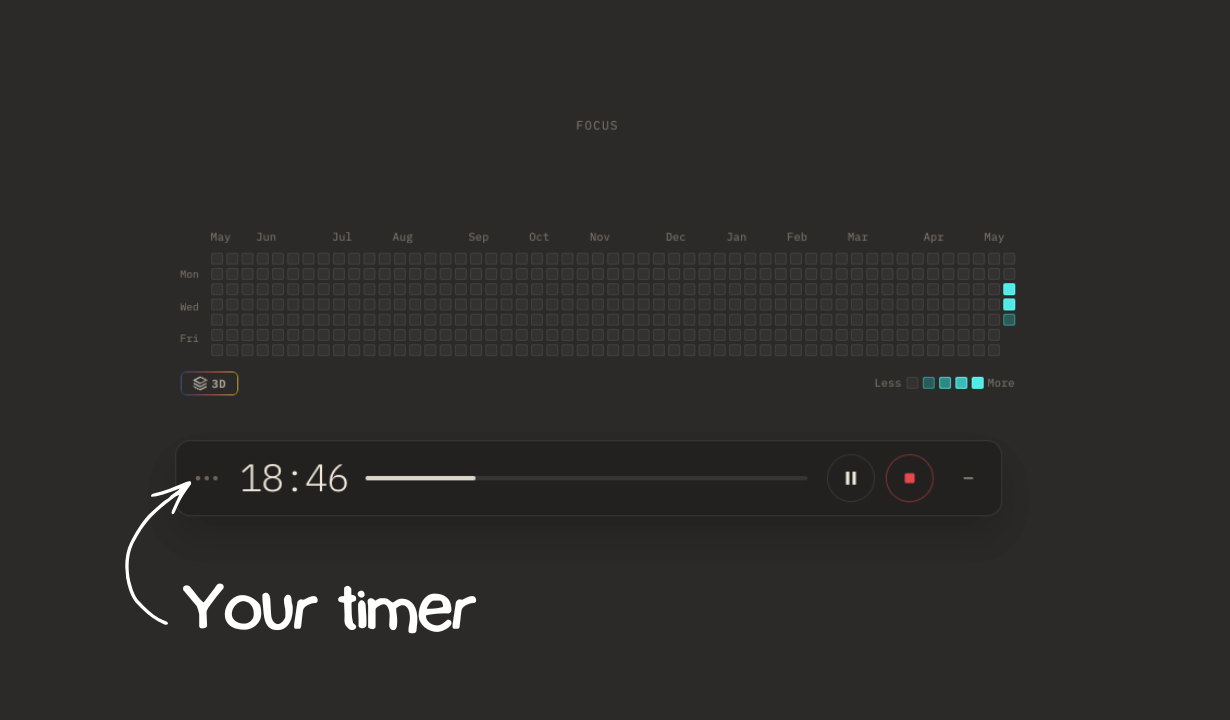 Timer with visible rhythm
Focus sessions and consistency patterns stay easy to read.
Flexible setup
Students can shift between timer styles without leaving the same ecosystem.
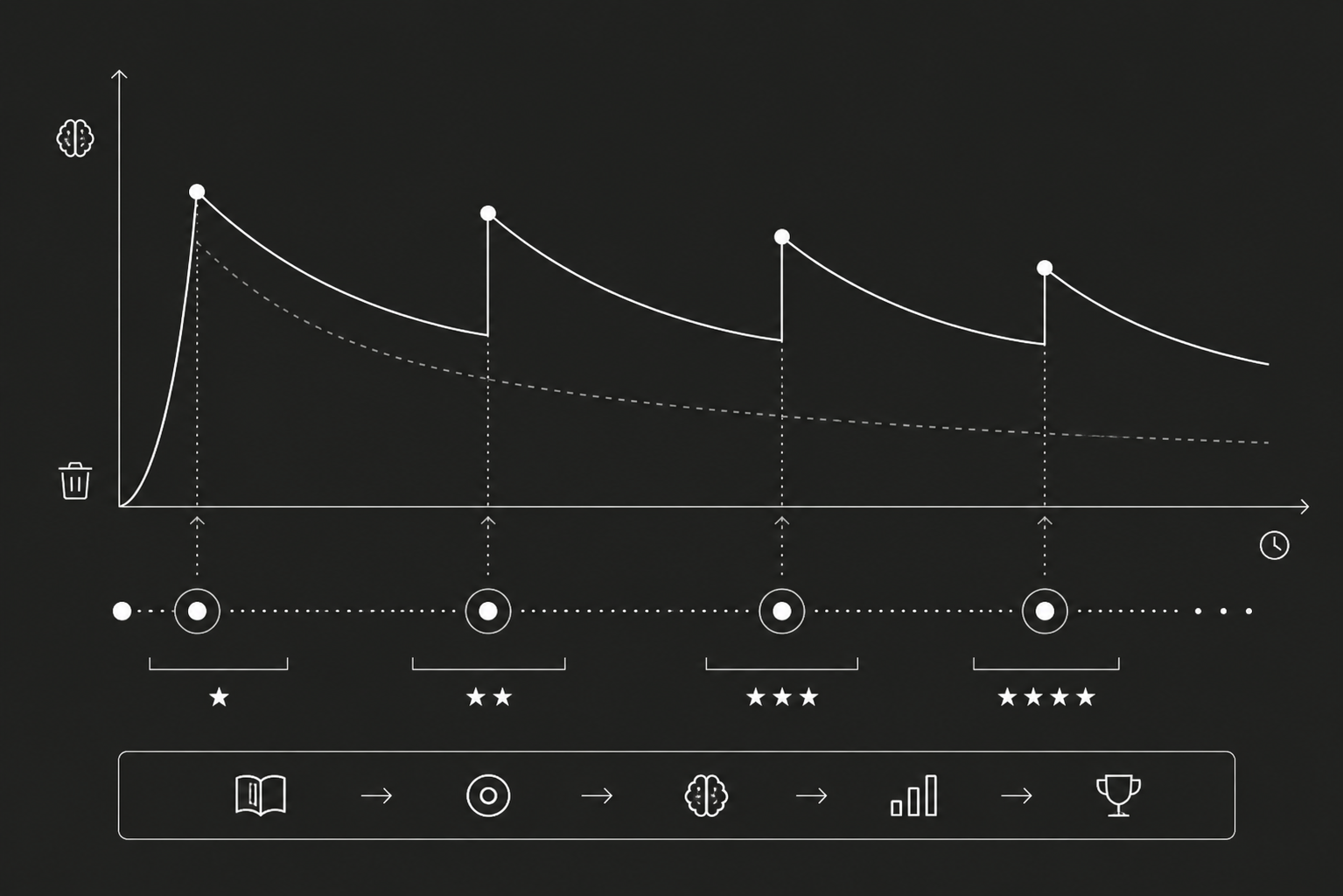 Learning-aware direction
The product points beyond time tracking alone and toward real retention habits.