
Forest vs Stuon
Forest and Stuon both help you focus, but they shape the feeling of study time in very different ways. Forest is playful and habit-driven. Stuon is more minimal, more reflective, and built around actual study flow rather than a gamified loop.
Forest is strong when motivation is the main bottleneck and a playful visual reward is what gets you to start.
Stuon is stronger when you want sessions, review habits, and analytics to feel like one connected study system.
best for students who need low-friction focus and real learning support together
Quick take
Students who start better with playful, visual motivation.
Students who want a calmer, deeper study workflow with cleaner session visibility.
Why students search for this alternative
Students usually search for a Forest alternative when the tree mechanic stops being enough on its own. They still want motivation, but they also want the study session to connect to something more reflective than a reward loop.
If Forest helps you start but does not help you understand your study rhythm, plan longer revision cycles, or connect focus time to real academic progress, Stuon starts making more sense.
Side-by-side comparison
Forest uses the tree-growing mechanic to make focus feel instantly rewarding. That can be excellent for habit building and for reducing the emotional friction of getting started.
Stuon keeps the surface calmer and less performative. It gives you a timer, a cleaner rhythm, and a stronger sense that each session belongs to a larger study plan.
Forest keeps the workflow light. You open it, plant a session, and focus. That simplicity is part of the appeal, but it also means the product does less once the timer ends.
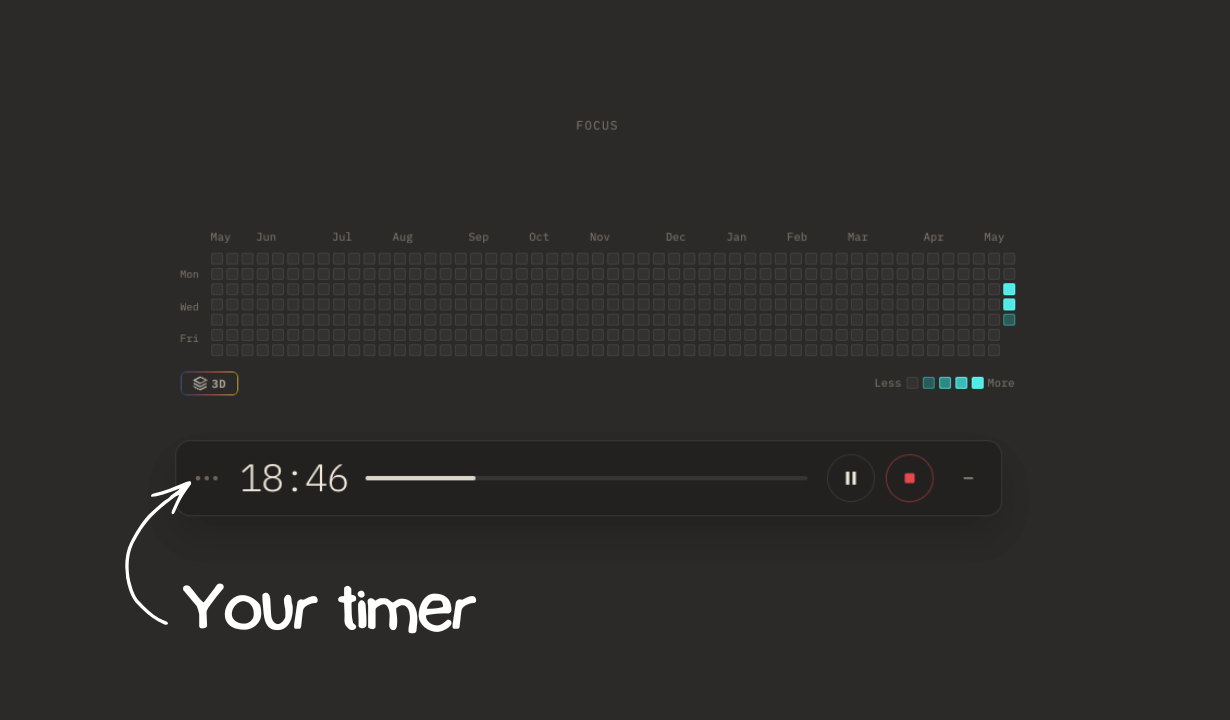
Stuon feels more like a study workspace. Focus time can connect to logs, review habits, and a more intentional sense of what you are studying and why.
Forest gives you enough progress history to stay encouraged, but its data mostly supports consistency and motivation rather than deeper academic reflection.
Stuon gives stronger visibility into session patterns. It is more useful when you want to understand whether your study rhythm is sustainable and where your time is actually going.
Forest fits people who want focus to feel lighter, friendlier, and more rewarding moment to moment.
Stuon fits students who want a cleaner environment and who care about turning focus time into a repeatable academic system.
How the Stuon workflow feels
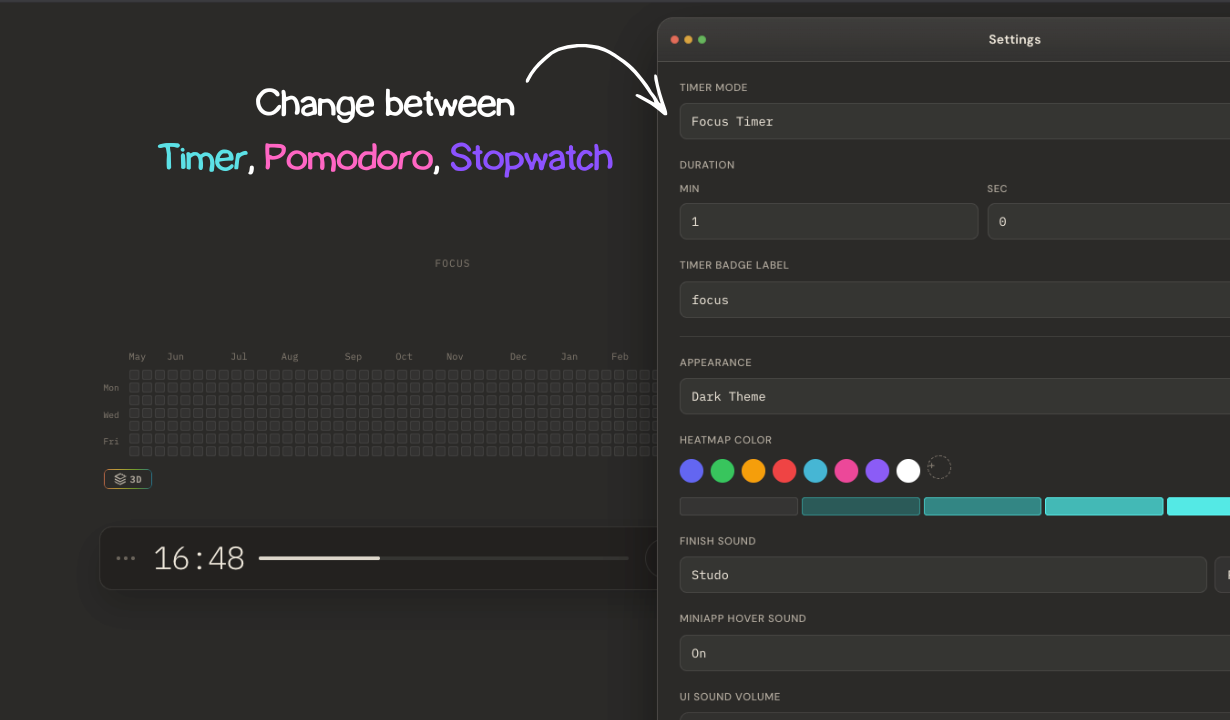 Flexible session setup
Students can shape the timer around the way they work instead of adapting to one fixed model.
Visible focus rhythm
The study pattern stays legible, so consistency feels concrete instead of abstract.
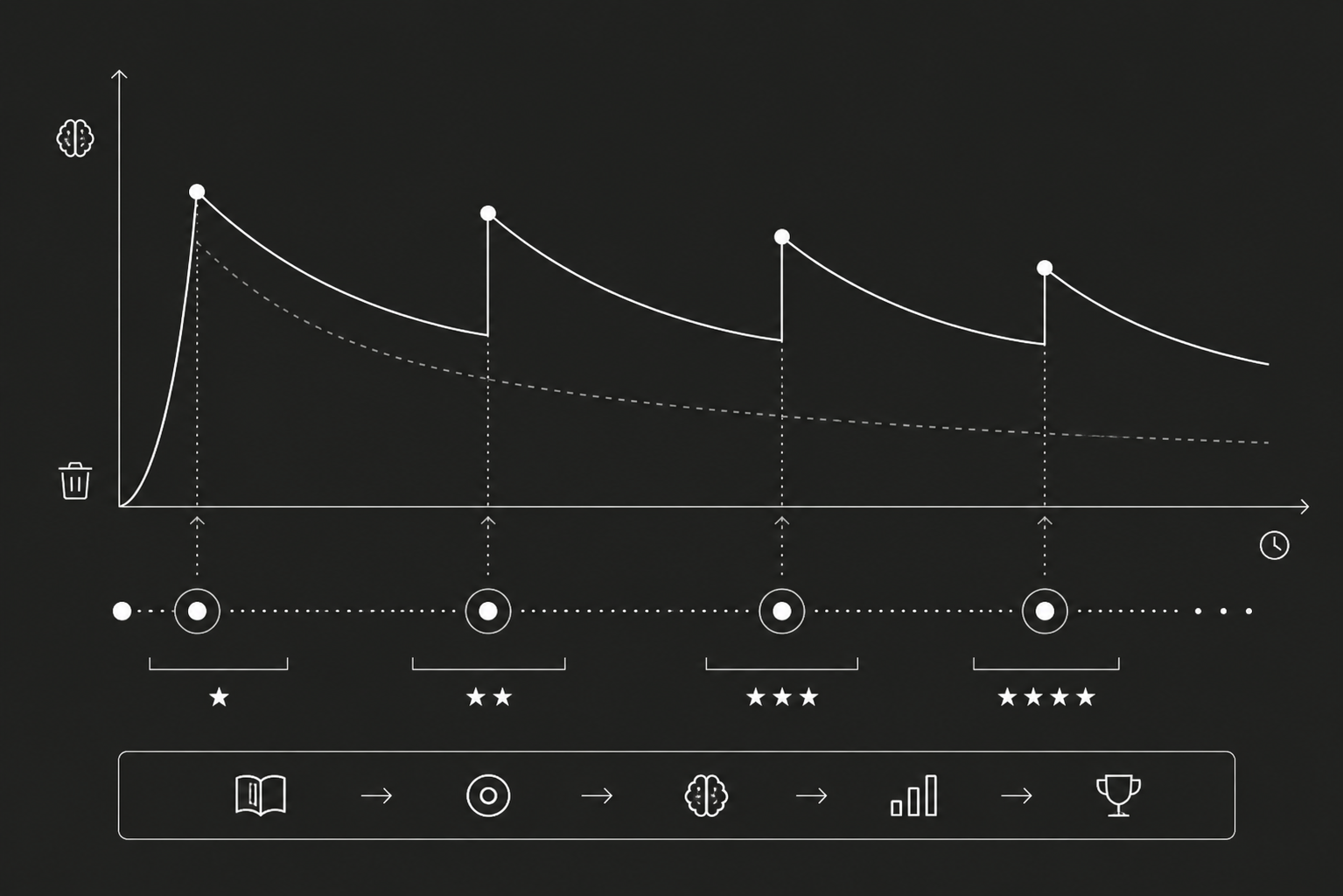 Learning beyond the timer
The product can support actual learning habits rather than ending at the countdown itself.
When Forest still wins and when Stuon wins
Forest still wins when visual encouragement is the main thing helping you stay off distractions and begin the next session.
Stuon wins when you want focus to feel quieter, more deliberate, and better connected to the broader system around your studying.
Which one fits you better?
Forest is strong when motivation is the main bottleneck and a playful visual reward is what gets you to start.
Stuon is stronger when you want sessions, review habits, and analytics to feel like one connected study system.
Frequently asked questions
Forest is better when playful motivation helps you begin. Stuon is better when you want a more serious study workflow with stronger session visibility and less distraction.
Choose Stuon if you want a minimalist timer experience that also supports study logs, analytics, and learning routines instead of relying on a game loop.
Not in the same way. Stuon does not try to gamify focus. It replaces that feeling with clarity, cleaner momentum, and better alignment with real study behavior.
Verdict
Forest is strong when motivation is the main bottleneck and a playful visual reward is what gets you to start. Stuon is stronger when you want sessions, review habits, and analytics to feel like one connected study system. If you want a study tool that stays readable, intentional, and more aligned with actual academic work, Stuon is the stronger alternative.