
Rize vs Stuon
Rize is compelling because it watches your activity and reflects it back to you with almost no manual effort. Stuon takes a more deliberate approach: you choose the session, shape the moment, and build the habit through intentional study rather than passive measurement alone.
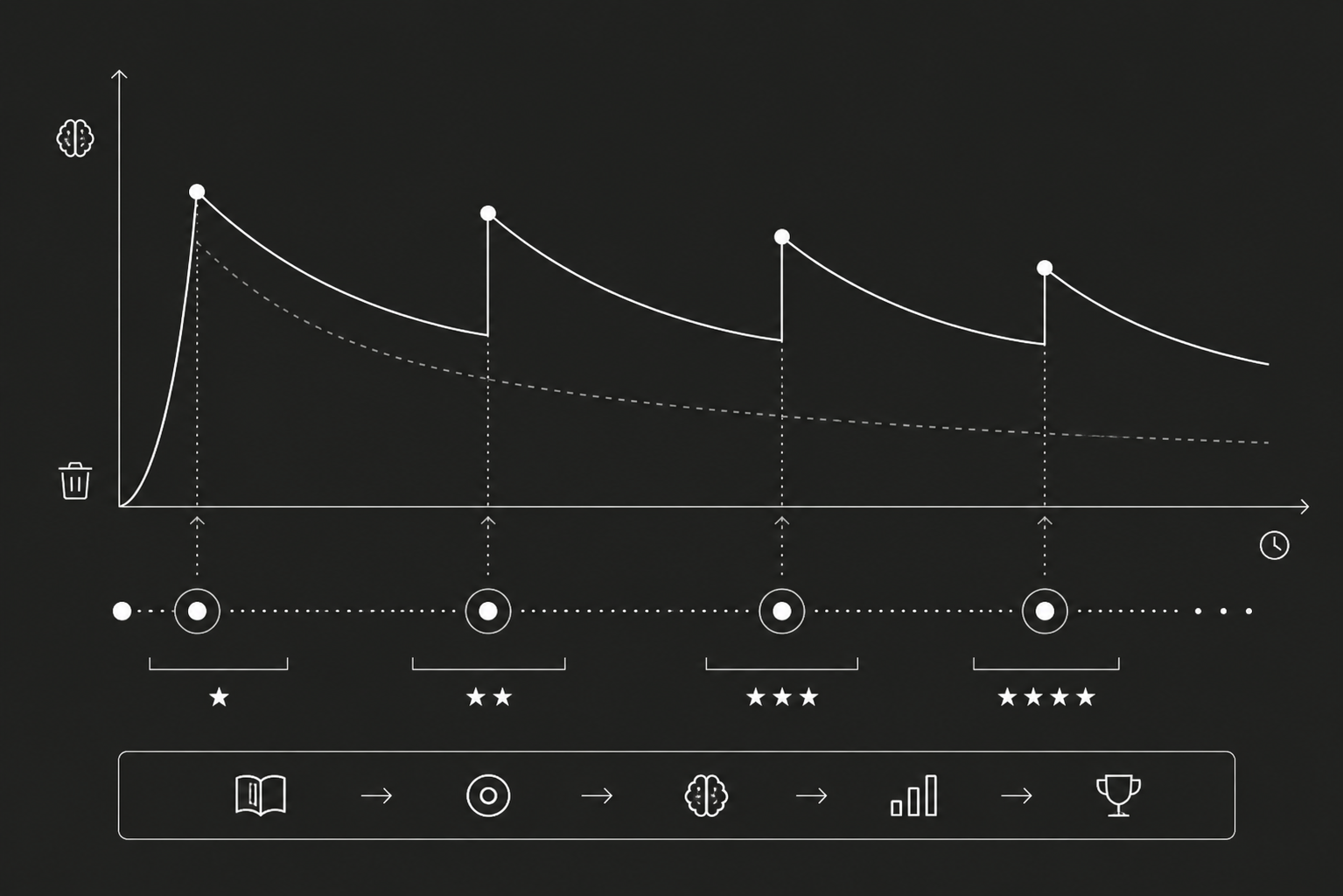
Rize is attractive if you want automatic tracking and post-hoc productivity insights with very little setup.
Stuon is more appealing if you want to stay present in the study process itself and avoid turning every session into a performance report.
best for students choosing between passive insights and a more active focus ritual
Quick take
Users who want automatic activity tracking and productivity insights with minimal manual input.
Students who want a more intentional, lower-pressure study environment built around deliberate sessions.
Why students search for this alternative
Students usually search for a Rize alternative when automatic tracking starts feeling insightful but also slightly too analytical or too detached from the real ritual of sitting down to study.
If Rize shows you useful patterns but leaves you wanting a calmer, more deliberate focus experience, Stuon is a better match because it treats the session as an intentional act rather than only a data source.
Side-by-side comparison
Rize reduces manual friction by tracking your activity automatically. That is convenient and can surface useful patterns quickly.
Stuon asks you to start a session on purpose. That small ritual can be valuable because it makes your focus block feel chosen rather than merely recorded.
Rize can feel analytical and revealing, which some users love. Others may find constant interpretation a little too evaluative during study periods.
Stuon feels gentler. It gives you enough visibility to improve without making every minute feel scored or scrutinized.
Rize fits students who are very curious about their behavior patterns and want automated feedback loops.
Stuon fits students who want a study app that feels easier to live with every day, especially during long exam seasons.
Rize fits users who want insight and automation first.
Stuon fits students who care more about entering deep work consistently than about maximizing automated productivity analysis.
How the Stuon workflow feels
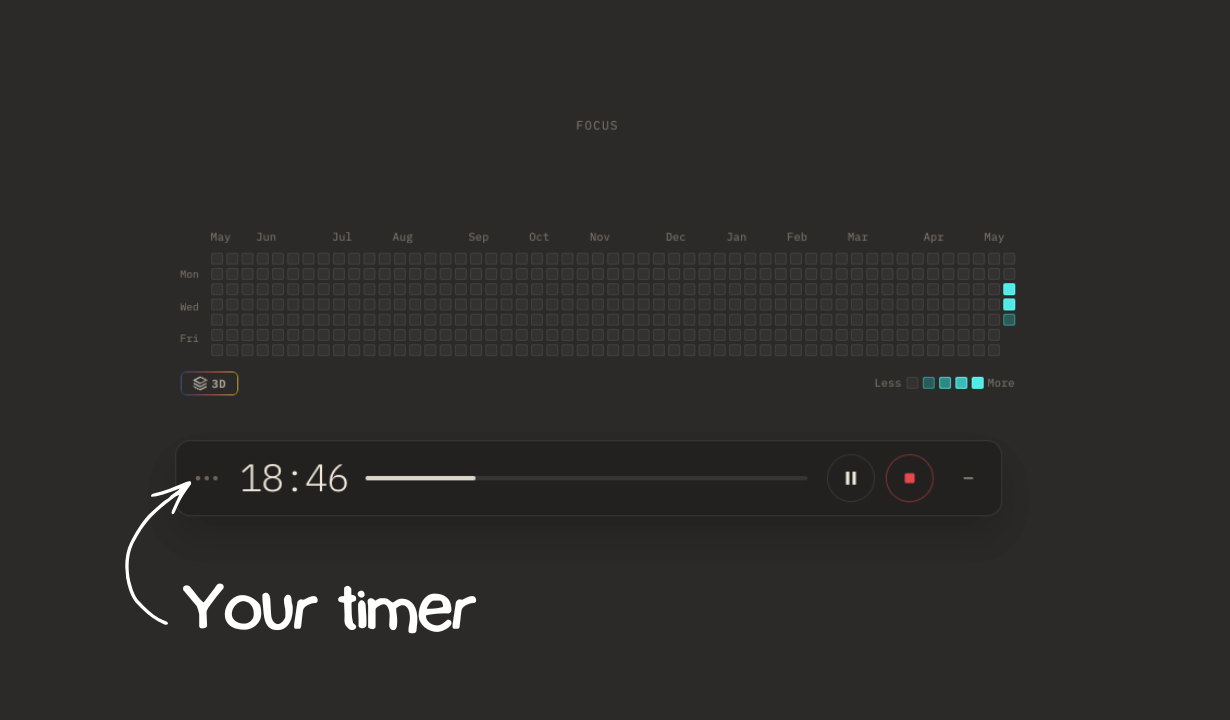 Flexible session setup
Students can shape the timer around the way they work instead of adapting to one fixed model.
Visible focus rhythm
The study pattern stays legible, so consistency feels concrete instead of abstract.
Learning beyond the timer
The product can support actual learning habits rather than ending at the countdown itself.
When Rize still wins and when Stuon wins
Rize still wins when automated tracking and productivity insights are the main value you want.
Stuon wins when you want less monitoring, less performance pressure, and a more grounded study ritual you can keep returning to.
Which one fits you better?
Rize is attractive if you want automatic tracking and post-hoc productivity insights with very little setup.
Stuon is more appealing if you want to stay present in the study process itself and avoid turning every session into a performance report.
Frequently asked questions
Rize is better if you want automatic tracking and productivity insights. Stuon is better if you want a calmer, more intentional study environment with less performance pressure.
Stuon is more session-driven and study-native. Rize is more passive and insight-heavy, focused on observing productivity patterns automatically.
Stuon usually feels simpler during the session itself because it centers the act of focusing, not the analytics around it.
Verdict
Rize is attractive if you want automatic tracking and post-hoc productivity insights with very little setup. Stuon is more appealing if you want to stay present in the study process itself and avoid turning every session into a performance report. If you want a study tool that stays readable, intentional, and more aligned with actual academic work, Stuon is the stronger alternative.