
Toggl vs Stuon
Toggl is one of the clearest time tracking products on the market, but it was not built around the emotional and academic reality of studying. Stuon is narrower in scope, yet more aligned with how students actually focus, review, and improve.
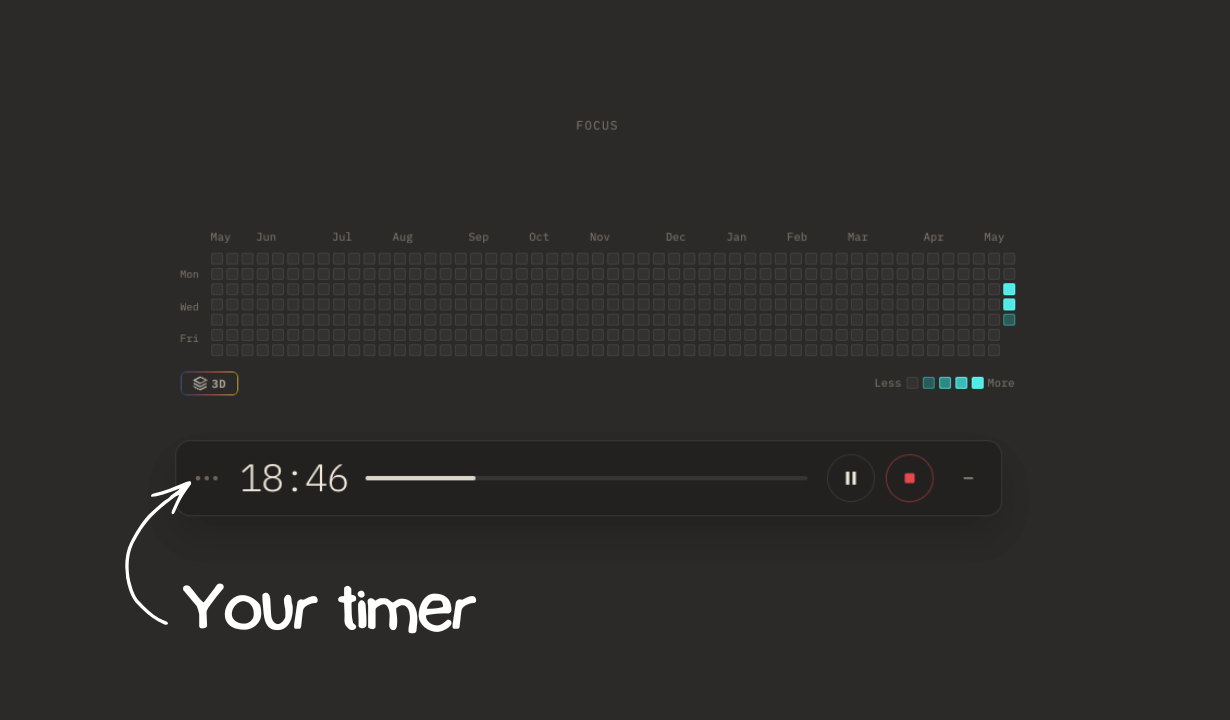
Toggl is excellent when you want professional reporting, categories, and clean time accounting.
Stuon is better when you want a study app that feels supportive, visually calm, and shaped around focus rather than workplace tracking.
best for students deciding between accurate tracking and a more study-native workflow
Quick take
People who primarily need professional time tracking and reporting.
Students who need focus time to feel like studying, not like filling in a work timesheet.
Why students search for this alternative
Students usually search for a Toggl alternative when they realize business-style tracking is useful but emotionally mismatched for revision, exam prep, and long deep-work blocks.
If Toggl measures your hours well but makes studying feel like admin work, Stuon can feel more natural because it centers focus and learning rhythm instead of reporting structure.
Side-by-side comparison
Toggl is strong when your first question is where your hours went. It is designed around tracking accuracy, categories, and retrospective reporting.
Stuon is stronger when your first question is how to study better today. It feels less like work software and more like a focused study space.
Toggl is efficient and neutral. That works well for professional workflows, but it can feel emotionally flat for long study sessions.
Stuon pays more attention to how focus feels. The interface helps sessions feel intentional rather than administrative.
Toggl wins if you want strict time accounting, granular tracking, and reporting that resembles work or freelance dashboards.
Stuon wins when you want analytics that stay close to the study process rather than drifting into generic productivity reporting.
Toggl fits users who already know how they work and mostly need clean measurement.
Stuon fits people who still want help with consistency, mental clarity, and making study time feel easier to return to.
How the Stuon workflow feels
 Flexible session setup
Students can shape the timer around the way they work instead of adapting to one fixed model.
Visible focus rhythm
The study pattern stays legible, so consistency feels concrete instead of abstract.
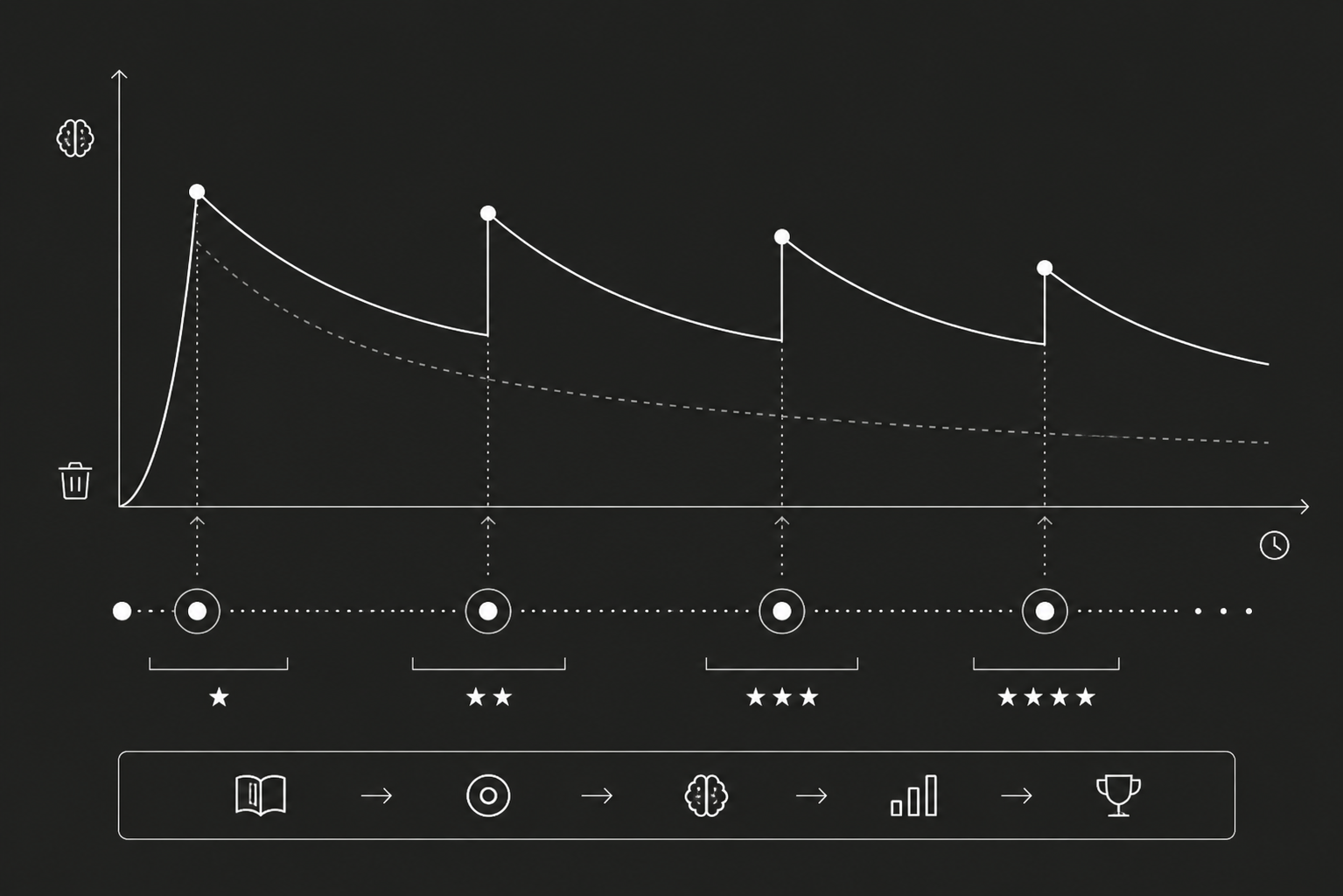
Learning beyond the timer
The product can support actual learning habits rather than ending at the countdown itself.
When Toggl still wins and when Stuon wins
Toggl still wins when strict time accounting, categories, and report clarity are the most important outcomes.
Stuon wins when you care more about how study time feels, how easy it is to repeat, and how naturally it supports student routines.
Which one fits you better?
Toggl is excellent when you want professional reporting, categories, and clean time accounting.
Stuon is better when you want a study app that feels supportive, visually calm, and shaped around focus rather than workplace tracking.
Frequently asked questions
Toggl is better for raw time tracking. Stuon is better for the lived experience of studying, especially if you want focus tools and student-oriented structure instead of workplace-style reporting.
It can replace Toggl for students whose main goal is better focus and study rhythm. If you need strict professional reports, Toggl still has the edge.
Because Stuon is shaped around sessions, focus, and learning habits, while Toggl is shaped around accurate measurement and business-friendly reporting.
Verdict
Toggl is excellent when you want professional reporting, categories, and clean time accounting. Stuon is better when you want a study app that feels supportive, visually calm, and shaped around focus rather than workplace tracking. If you want a study tool that stays readable, intentional, and more aligned with actual academic work, Stuon is the stronger alternative.